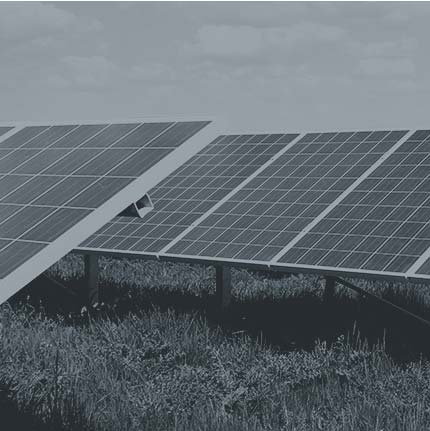
Solar panels convert sunlight into electrical energy through photovoltaic cells, making solar power one of the fastest-growing sources of renewable energy. As solar farms continue to expand in scale, ensuring the performance, reliability and long-term health of each panel becomes increasingly important. With solar panels designed to operate for around 20–25 years, early detection of defects is essential to maintaining energy output, extending asset life and protecting the return on investment.
Over time, panels can develop faults that may initially have little visible impact but can significantly reduce power generation if left undetected. Certain defects can also create localised hotspots, increasing the risk of further component damage and, in severe cases, fire. Drone-based thermal and aerial inspections provide a fast, non-contact method of identifying these issues across large solar installations.
At RPAS Aerial Solutions, our objective is to identify faulty or underperforming solar panels at an early stage, enabling timely corrective action, supporting warranty claims and replacements where applicable, and helping solar farm operators maximise energy output. By combining drone-based thermal imaging with high-resolution aerial inspection, we provide accurate, geotagged inspection data quickly and cost-effectively.
Problems that Can Arise in Solar Panels
♦ Cell failure and degradation ♦ Interconnection and wiring failures ♦ Soldering defects or melted solder joints ♦ Hotspots and abnormal temperature patterns
♦ Gradual degradation in panel performance ♦ Reduced operational efficiency
♦ Moisture and humidity-related issues ♦ Damage associated with prolonged UV exposure
Benefits of Drone-based for Solar Farm Inspections
- Rapid Coverage: Drones can scan large rooftops and solar arrays quickly, significantly reducing inspection time.
- Hotspot Detection: Thermal cameras identify abnormal heat signatures that can indicate defective or underperforming cells and panels.
- Geotagged Inspection Data: Defective panels can be precisely located, making maintenance, replacement and follow-up inspections faster and more efficient.
- Early Diagnostics: Identifying faults at an early stage helps operators plan panel replacements and maintenance before problems escalate.
- Reduced Manual Inspection: Infrared imaging allows large solar installations to be assessed without the need for extensive manual, panel-by-panel inspection.
- Higher Operational Efficiency: Faster identification of faults enables quicker repairs, helping solar farms maintain optimal energy generation.
- Reduced Maintenance Costs: Early detection can prevent minor defects from developing into more significant and expensive failures.
- Significant Cost Savings: Drone-based inspections can substantially reduce inspection costs compared with conventional manual methods, depending on site size, inspection scope and operating conditions.
- Comprehensive Digital Records: High-resolution visual and thermal imagery provides an accurate record of panel condition for maintenance planning, asset management and warranty documentation.