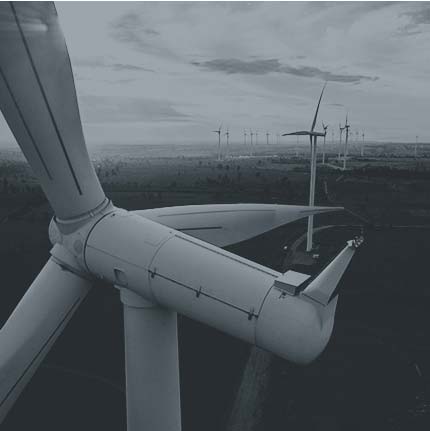
Wind turbines operate on a simple principle: instead of using electricity to generate wind, as a fan does, they harness the power of wind to generate electricity. Wind turns the turbine’s propeller-like blades, which rotate a rotor connected to a generator, converting wind energy into electrical power. With wind energy becoming an increasingly important source of renewable power in India, the number of large-scale wind farms continues to grow.
However, inspecting these massive structures presents significant challenges. Traditional inspection methods often require personnel to work at considerable heights using ropes, platforms, or other access equipment, making the process time-consuming, labour-intensive, and potentially hazardous. As a result, the use of drones for wind turbine inspection is rapidly gaining momentum.
Equipped with high-resolution cameras and specialised sensors, drones can capture detailed visual data of turbine blades, towers, nacelles, and other critical components without requiring personnel to physically access the structure. Beyond routine inspections, drone-based data can also help detect defects, document damage, track deterioration, and provide supporting evidence for warranty and insurance claims.
Traditional manual inspections may typically cover only 2–3 wind turbines per day, whereas semi-automated drone systems can significantly increase inspection capacity, potentially covering 12–15 turbines in a day, depending on the turbine type, inspection scope, and operating conditions. A two-person team comprising a certified drone pilot and a sensor or inspection operator can efficiently navigate around the turbine and capture high-definition imagery. In many cases, individual blades can be inspected in under 10 minutes of flight time.
Maintenance Issues
▪️Internal structural damages ▪️Shipping of Paint and rusting ▪️Bad Soldering or welding joints ▪️Resin or adhesive bonding gaps ▪️Core defects ▪️Damage due to Lightning Strike
Benefits of Using Drones
- High-Resolution Inspection: High-resolution cameras capture detailed imagery, enabling close visual examination of blades and other turbine components.
- Thermal Inspection: Thermal imaging sensors can help identify abnormal temperature patterns and potential defects that may not be visible to the naked eye.
- Faster Data Collection: Large volumes of inspection data can be captured and transferred significantly faster than through conventional inspection methods.
- Reduced Operational Costs: Faster inspections reduce manpower requirements, equipment costs and the overall time spent on each turbine.
- Improved Safety: Personnel do not need to climb or suspend themselves at significant heights, substantially reducing exposure to working-at-height hazards.
- Minimal Operational Disruption: Drone inspections can be conducted efficiently across both onshore and offshore wind farms, subject to weather, site and operational conditions.
- Accurate and Reliable Data: Consistent imagery and sensor data support more accurate assessment, comparison and monitoring of turbine conditions over time.
- Real-Time Monitoring: Live video and imagery can be transmitted to a ground control station, allowing inspection teams to monitor the process in real time.
- Preventive Maintenance: Early identification of defects enables timely maintenance, helping reduce the risk of major failures and unplanned downtime.
- Better Documentation: Inspection imagery provides a detailed digital record that can support maintenance planning, asset management, warranty claims and insurance documentation.
- Increased Efficiency: By combining automated flight paths, high-resolution imaging and data analysis, drone technology enables faster and more systematic turbine inspections.