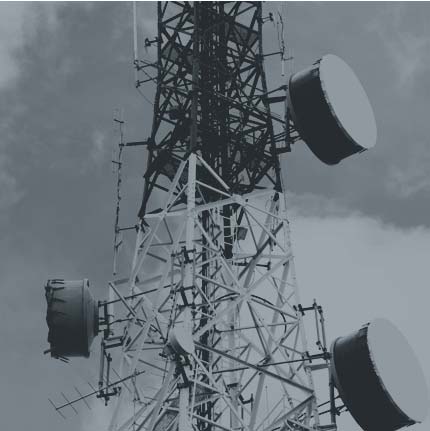
Telecommunication towers are critical infrastructure supporting mobile networks, wireless communication, and connectivity. With towers and masts often reaching heights of 100–150 metres (300–500 feet), regular inspection and maintenance are essential to ensure structural integrity, equipment performance, and uninterrupted network operations.
Traditionally, tower inspections rely heavily on technicians physically climbing structures and conducting visual assessments using handheld cameras and thermal imaging equipment. While effective, these methods can be time-consuming, labour-intensive, difficult to standardise, and expose personnel to significant working-at-height risks.
Drone-Based Telecom Tower Inspection
Drones enable inspection teams to assess towers from the ground while capturing detailed visual and thermal data from difficult-to-access areas. High-resolution cameras and specialised sensors can provide a comprehensive digital record of the tower and its components.
During an inspection, drones can systematically capture high-definition photographs, videos, and thermal imagery of structural members, joints, antennas, cables, equipment, and other critical components. The data can then be reviewed remotely by inspection teams to identify potential defects, damage, deterioration, or abnormalities.
Drone-based inspection provides a safer, faster, and more data-driven approach to assessing telecom infrastructure.
Issues Cropping up in Telecom Towers
▪️Usually, these technicians have to climb up the tower ▪️The use of handheld devices for taking visual and thermal images ▪️Each tower inspection is time-consuming ▪️There is a big safety element which is involved when a man /woman technician climbs the tower ▪️The turnaround time for analysis and repair is very high ▪️The maintenance costs are high because of manpower deployment and long gestation periods of low efficiency of the towers
Benefits of Using Drones
- Enhanced Safety: Minimise the need for personnel to climb towers and work at height.
- High-Resolution Data: Capture detailed photographs and videos of structural and equipment components.
- Thermal Inspection: Use thermal imaging to identify potential abnormalities that may not be visible through conventional visual inspection.
- Difficult-to-Reach Areas: Inspect tower sections, equipment, and structural elements that are challenging or hazardous to access manually.
- Faster Inspections: Cover large sections of a tower efficiently, reducing inspection time and operational disruption.
- Real-Time Visuals: Provide live aerial feeds to inspection teams on the ground for immediate assessment and decision-making.
- Digital Documentation: Create a detailed visual record that can be used for reporting, comparison, maintenance planning, and future inspections.
- Reduced Manpower Requirements: Conduct inspections with a smaller ground-based team while reducing the need for extensive climbing operations.
- Efficient Defect Identification: Help inspection teams locate corrosion, structural damage, loose or damaged components, cable issues, and other visible abnormalities.
- Cost-Effective Maintenance: Reduce the time, resources, and risks associated with conventional tower inspection methods.